MWAC Sanitation Professionals
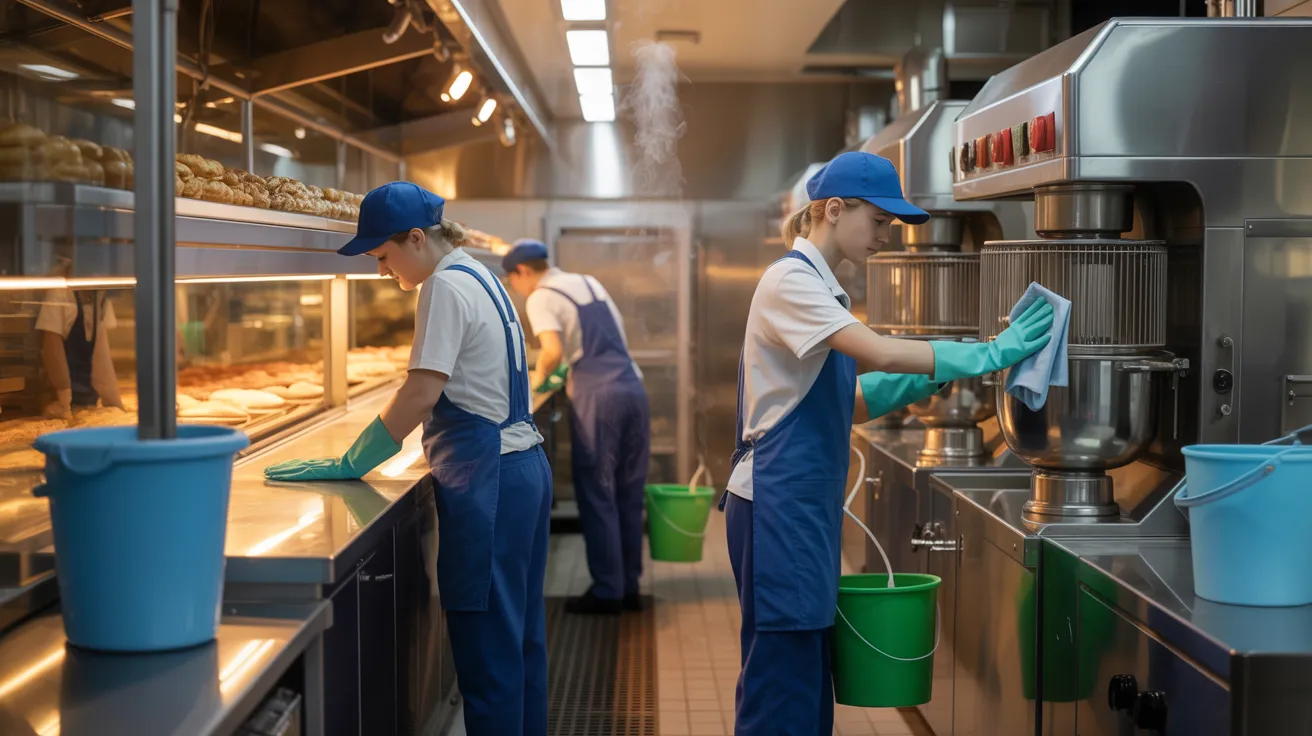
Food safety and professional sanitation experts in Brampton support your business in maintaining restaurants, food supply centers, bakeries, warehouses, and food service units in compliance. They disinfect high-touch points, food preparation zones, equipment, floors, drains, restrooms, and food handling zones using certified sanitizers, proper dilution, and recorded contact times.
Key Takeaways
- Brampton's food safety cleaning specialists provide services to restaurants, grocery departments, commissaries, warehouses, bakeries, schools, mobile vendors, and allergen-sensitive operations.
- High-touch surfaces, food-contact equipment, kitchens, floors, drains, restrooms, and storage areas are sanitized using area-specific procedures to avoid cross-contamination.
- Validation of approved sanitizer dilution, suitability, and exposure duration is completed by certified contractors, with finishing filed using checks, assessments, and corrective-action records.
- Sound cleaning timelines factor in threat, throughput, changeovers, releases, and requirements when designating daily, periodic, and annual duties by area.
- Pick providers with HACCP, public-health, understanding, safety training, training, coverage, credentials, color-categorized implements, and inspection-ready cleaning files.
Food Safety Cleaning Requirements for Brampton Operations
You must adhere to food safety cleaning if your establishment is falls under health department oversight, food standards, or HACCP requirements. This covers restaurants, cafeterias, commissaries, grocery food departments, butcher shops, seafood counters, convenience stores, and institutional kitchens.
You'll furthermore need proper hygiene protocols in supply facilities, manufacturing operations, cold storage warehouses, bakeries, school food programs, reception halls, and delivery services. Seasonal and mobile ventures count as well, including catering trucks, festival vendors, and pop-up food booths. When your staff handle raw materials, divide prepared dishes, warm finished meals, or maintain allergen storage, your venue requires recorded sanitation procedures. In Brampton, food safety remains compulsory; it comprises legal, operational, and consumer protection compliance.
What Do Brampton Cleaning Professionals Handle?
You need cleaning experts who sanitize high-touch surfaces, kitchens, floors, and bathrooms to comply with food safety and health regulations. They target these areas because they present the highest risk for cross-contamination, slip hazards, and sanitation breaches.
By knowing exactly what gets cleaned, you can make sure your operation's sanitation protocols satisfy all operational and regulatory requirements.
Critical High-Touch Surface Disinfection
determine how frequently each surface is sanitized
Maintaining a unidirectional system, swapping wipes, and dividing cleaning tools by area ensures that disinfection remains quantifiable, defensible, and compliance-ready continuously
Kitchens, Floors, and Restrooms
Brampton cleaning professionals will handle kitchens, floors, and restrooms since each space presents separate food safety concerns, slip-and-fall, and community health challenges. In industrial kitchens, you need grease removal from cooking stations, appliance surfaces, drain systems, preparation areas, and backsplashes to minimize contamination and pest pressure.
Documented floor maintenance is also provided as part of the service.
For restroom sanitation, cleaners sanitize touchpoints, fixtures, partitions, dispensers, and waste containers, then restock supplies and control odours. They also service restaurant moprooms, where chemical storage, sink hygiene, and drainage conditions can affect sanitation read the facts compliance and staff safety daily.
Why Food Safety Cleaning Matters in Brampton
Brampton businesses need to implement food-safe cleaning standards for meeting legal standards and passing inspections. You also minimize bacterial spread through proper cleaning of food-preparation surfaces, appliances, and frequently-touched items. Most importantly, you safeguard public health by lowering the risk of foodborne illness in your facility.
Health Code Compliance
Food businesses in Brampton face rigorous sanitary regulations, making food safety cleaning crucial to fulfilling health code requirements, ensuring the safety of patrons, and preventing enforcement action. You must maintain sanitary food-contact surfaces, documented cleaning schedules, appropriate product handling, and verifiable staff procedures that meet municipal and provincial inspection expectations.
Excellent cleaning standards supports allergen control by decreasing particles on shared equipment plus frequently touched surfaces. If your cleaning standards decline, you encounter infractions, corrective directives, public perception damage, and operational interruptions during additional reviews or compliance reviews.
Contamination Management
Following regulatory requirements depends on your skill in stopping cross-contamination in daily food handling and cleaning. You should isolate raw items from prepared foods, sanitize prep surfaces between tasks, and maintain separation of cleaning products from food. Clear procedures reduce transfer risks and support consistent compliance during inspections.
Building allergen segregation prevents key allergens from reaching common workstations, storage, or apparatus. Leverage separate cutting boards, colored implements, and strict utensil labeling so team members won't blend products during preparation or service.Enforce handwashing after handling uncooked meats, shellfish, egg items, or allergen substances. Swap wiping cloths regularly, and confirm disinfectant efficacy using test strips. When you train staff to follow these controls each shift, you foster a cleaner, more secure operation that meets Brampton's food safety expectations consistently.
Public Health Protection
Should food safety cleaning break, you don't simply risk a failed inspection—you expand the odds of contamination-related sickness harming customers, staff, and the wider Brampton population. You also weaken your role in safeguarding community wellness, especially in busy food facilities where pathogens travel quickly through surfaces, equipment, and touchpoints.
You must implement sanitation protocols that eliminate contaminants, properly disinfect, and verify results. This entails adhering to contact periods, utilizing authorized sanitizers, recording schedules, and training employees to meet compliance standards. These actions support pathogen control by suppressing pathogens before contaminating food or hands. In Brampton, robust sanitation protects at-risk groups, minimizes disease spread, and proves your diligence. When you maintain standards, you exceed requirements—you substantially reduce risk and advance safer food handling throughout the city.
How Can Cleaning Practices Ensure Food Safety Compliance?
Upholding thorough cleaning protocols improves food safety compliance by lowering contamination exposure, controlling pathogen growth, and positioning your facility in accordance with sanitation requirements under HACCP-based programs and public health regulations. You verify that product-contact areas stay visibly clean and microbiologically controlled, backing documented preventive controls and inspection readiness.
Rigorous cleaning standards also enhance allergen management by removing residues that can trigger undeclared allergen exposure.
Finding When to Arrange Commercial Cleaning
Cleaning routines are most effective when you set them according to risk levels, output volume, and compliance needs rather than relying on a fixed calendar alone.
facility shutdowns, weather-related soil accumulation, or times of high pest concerns. When your facility holds promotions, catering, or public functions, arrange cleaning right prior to and after for optimal event turnaround
Selecting the Right Brampton Cleaning Experts: Key Considerations
Screen providers initially by their food-safe sanitation requirements—not budget alone. You need to verify that every company meets CFIA, public health, and HACCP standards for your operation. Demand proof of insurance, WHMIS compliance, training records, and management systems. Evaluate technician understanding of cross-contamination risks, chemical safety, and documented sanitation practices.
You should further examine operational reliability and answerability. Request testimonials from Brampton food businesses, then review reply speed, corrective-action procedures, and communication protocols. Validate the company supports supplier audits and can present inspection-ready documentation to regulators or external parties. Confirm equipment receives maintenance, color-coded implements are used appropriately, and site-specific hazards are recognized. A qualified provider protects compliance, product integrity, and your reputation in the market.
What's covered in a Food Safety Cleaning Plan?
Put together a written plan that establishes every sanitation task, standard, and responsibility before production begins. You should specify cleaning frequencies, approved chemicals, dilution rates, contact times, tools, and verification methods for each zone, surface, and piece of equipment. Make sure to include pre-operational inspections, corrective actions, and employee training requirements.
Your framework should also include cross-contamination prevention, waste disposal, pest management measures, and scheduled documentation for restrooms, drains, floors, and food-contact areas. Clarify how you'll separate raw and ready-to-eat processes, help with ingredient tracking, and copyright accurate allergen labeling through validated cleaning between product changes. You should define accountability, maintain signed records, and check results against regulatory standards, HACCP controls, and customer requirements. When gaps appear, adjust procedures immediately and retrain staff.
Frequently Asked Questions
Will cleaning services handle nighttime hours at Brampton facilities?
If you manage regulated spaces, you'll also require records that support audits and ensure compliance.
Do Brampton cleaning experts provide emergency spill response services?
Yes, you can locate several Brampton cleaning professionals offering spill containment services. They manage hazardous materials, evaluate risks, contain affected areas, and execute rapid cleanup to minimize risk and limit operational impact. You should confirm timeframes, certifications, protocols, and procedures. If your facility must meet standards, pick a provider that logs events, follows procedures, and ensures verification.
Do environmentally safe disinfectants function safely on food-contact surfaces?
In essence, green disinfectants are safe for food preparation areas provided you select items marked food-safe that comply with regulatory compliant. Verify contact times, dilution ratios, and rinse protocols in advance of use. Plant based formulas reduce harsh chemical exposure, although you must have evidence of effectiveness against relevant pathogens. For maintaining residue free surfaces, stick to precise manufacturer instructions and confirm the cleaning agent meets food sanitation requirements.
Will cleaning plans adapt to seasonal variations?
Certainly, cleaning schedules accommodate seasonal shifts well. Adapt schedules, labor allocation, disinfectants, and confirmation procedures to align with operational cycles while sustaining regulatory adherence. Lower operational delays via planning cleaning during production shifts, high demand periods, and equipment use patterns. Concurrently update SSOPs, training, and monitoring protocols to reflect periodic risks, novel allergens, or higher contamination levels. Periodic assessments maintain your program current.
Do professional cleaners instruct staff members in proper hygiene techniques?
Indeed, commercial cleaning providers typically provide employee coaching on proper hygiene. Your team receives instruction on safe chemical application, contact times, cross-contamination prevention, equipment disassembly, and record-keeping. They typically follow instruction with HACCP, GMP, and CFIA or regional health standards requirements. Many perform compliance inspections to confirm standards, identify gaps, and strengthen improvement measures. This assists you to establish reliable processes, pass inspections, and decrease foodborne illness risks on a daily basis.
Closing Remarks
When you partner with Brampton commercial cleaning and food safety specialists, you don't just tidy up—you keep your operation audit-prepared and your standards above board. From kitchens to processing floors, every polished surface and well-kept corner helps reduce pest intrusion and avoid expensive problems. By scheduling service at the proper frequency and adhering to a detailed cleaning schedule, you safeguard staff, customers, and your brand image. In a tightly regulated environment, sanitary conditions are essential—they're part of doing business right.